Why Your Favorite Game Crashes: A Deep Dive into Common Bugs
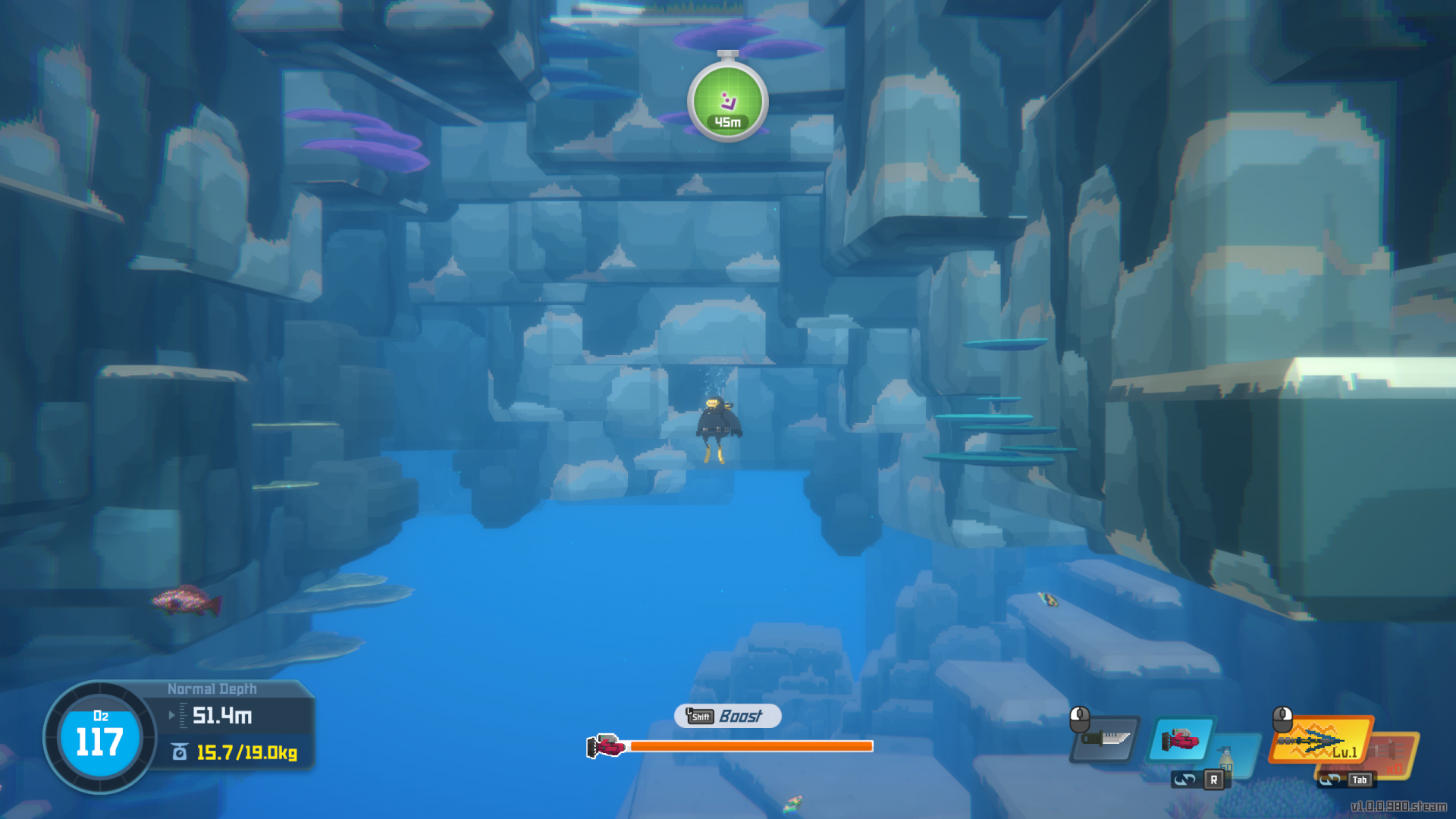
Unraveling the Mystery: Why Your Games Crash 🎮💥
Few experiences are as frustrating for a gamer as having their immersive journey abruptly halted by a game crash. One moment you're deep in an epic battle, and the next, your screen freezes, or you're unceremoniously dumped back to your desktop. This common occurrence isn't just an inconvenience; it feels like a betrayal of the carefully crafted digital world. Understanding root causes sheds light on software development challenges.
Modern video games are extraordinarily complex software, often comprising millions of lines of code interacting with various hardware components, operating systems, and third-party libraries. This intricate web of dependencies means even a minor oversight can ripple through the entire system, leading to unforeseen instability. Developers strive for perfection, but the sheer scale makes absolute flawlessness an almost impossible task.
Historically, game development has always grappled with bugs. From infamous "Minus Worlds" to modern "day one" patches, the challenge remains: predicting every possible player interaction across vast hardware configurations. This ongoing battle against the unexpected is a testament to the continuous effort required to deliver stable and enjoyable gaming experiences.
Key Observations from Bug Research 🧐
- Memory management failures are a leading cause of instability. They manifest as leaks or corruption, gradually overwhelming system resources and forcing a shutdown.
- Complex interactions in multi-threaded environments frequently lead to race conditions. Timing of operations becomes critical, resulting in unpredictable, hard-to-reproduce crashes.
- Unexpected conflicts between different game systems, third-party middleware, or specific hardware drivers often trigger crashes, revealing the fragility of integrated software ecosystems.
Diving Deeper: Why These Bugs Persist 🛠️
Memory-related issues are notoriously difficult to track. A "memory leak" occurs when a program fails to release memory it no longer needs. This accumulates, consuming all available RAM until the system becomes unstable, often manifesting as slow performance before termination, making diagnosis a true challenge.
Race conditions are insidious. They occur when multiple program parts access or modify data simultaneously, with outcomes dependent on unpredictable timing. Their non-deterministic nature makes consistent reproduction a nightmare. A rare crash is incredibly hard to identify and fix without advanced debugging tools.
Modern games integrate numerous third-party engines, libraries, and middleware. While accelerating development, this introduces potential failure points. An update to one component might conflict with another, or a specific hardware driver could interact unexpectedly. This creates a vast matrix of conflicts.
Even rigorous quality assurance (QA) cannot catch every bug. QA teams test meticulously, but the sheer number of player actions and system configurations means "edge cases" slip through. These rare scenarios require specific circumstances. Community bug reports are invaluable, helping Retwasm pinpoint elusive issues.
The gap between player expectation and developer reality is vast. Players often perceive crashes as negligence, unaware of deep technical challenges. Developers battle a moving target: new OS updates, driver releases, and hardware variations constantly introduce variables that can break stable code.
Effective crash reporting and telemetry are crucial. When a game crashes, sending an anonymous report provides developers with vital information about the state of the game at failure. This data allows engineers to recreate conditions and identify the root cause. Retwasm leverages such data to prioritize and address critical stability issues.
Moving Forward: Key Takeaways and Applications 🚀
- Understanding these common bug types can foster greater empathy among players for the complex work undertaken by game developers.
- It highlights the critical importance of robust software architecture, continuous testing, and proactive memory management in development cycles.
- Emphasizes the invaluable role of detailed community bug reports and crash telemetry in improving game stability and enhancing player experience for Retwasm.
Posted by
Parinya Sutthiwong
QA Strategist


Comments 0